

☕ Cracking the Coffee Code: A Startup Guide to Café Success in Malaysia


In Malaysia, café culture has undergone a remarkable transformation over the last decade. Specialty coffee shops now dot urban landscapes, offering everything from artisanal brews to cozy social hubs. But while this café boom presents exciting opportunities for entrepreneurs, it begs the question: is this a sustainable trend? How do we avoid it from dying down like the bubble tea craze?
Kopitiams: The Birth of Malaysia's Coffee Culture
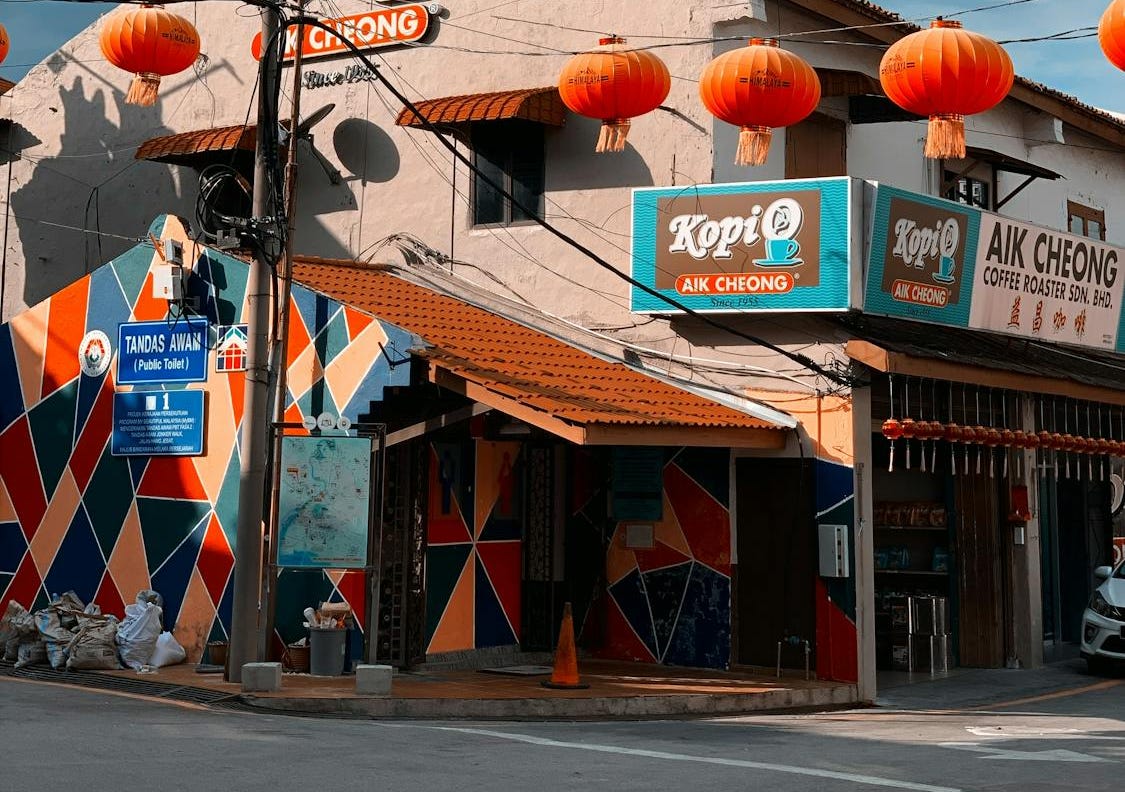
A kopitiam in Malacca. Source: Pexels
Before trendy cafes, Malaysia’s coffee culture thrived in the humble kopitiam, a traditional coffee shop or open-air kiosk that has been a staple in local communities for decades. Kopitiams offer low-cost blends of locally-produced coffee, typically a mix of Robusta and Liberica beans, roasted with palm-oil margarine to give them rich, buttery aromas and flavors. These modest establishments serve coffee alongside classic breakfast staples like kaya toast and soft-boiled eggs, catering to a no-frills clientele seeking affordable comfort.
Fast forward to today, and the coffee landscape has changed dramatically. We’re now witnessing the rise of specialty coffee chains and boutique cafés that serve everything from artisanal brews to high-tech, app-driven coffee experiences. Besides the international players like Starbucks and Coffee Bean and Tea Leaf, homegrown names like Zus Coffee and Gigi Coffee has added to the buzz.
What’s Fueling Malaysia’s Coffee Craze?
The rapid growth of the café industry is not by chance. Several factors have aligned to push this trend:
Market Growth: According to L'Officiel, Malaysian-branded coffee sales has surged by 28% in the past year.
Consumer Habits: The Malaysia Coffee Association reports that 85% of millennials drink at least one cup of coffee daily, with some willing to spend RM30 to RM60 for two cups a day.
Events & Certification: Events like the International Café and Beverage Show (ICBS) and Malaysia Coffee Week, combined with initiatives like the Barista Certification Programme, have fueled the enthusiasm for coffee culture.
Retail Expansion: By 2028, it's predicted that Malaysia will house more than 6,000 specialty coffee stores.
Brands to Learn From: ZUS Coffee, Gigi Coffee, and Kenangan Coffee
When it comes to understanding the dynamics of scaling a coffee business in Malaysia and beyond, these brands stand out. ZUS Coffee, Gigi Coffee, and Indonesia’s Kenangan Coffee have not only carved out market niches but also used tech and innovative strategies to ensure rapid growth.
1. ZUS Coffee Targets Young Professionals
First established in September 2019, Zus Coffee is founded by key executives Ian Chua and Venon Tian. By identifying a key gap between traditional kopitiams and high-end coffee chains, ZUS Coffee hit the sweet spot. Their model revolves around “making good coffee affordable for everyone.”
Priced between RM6-RM10, ZUS caters to younger working professionals and urban dwellers. But it’s not just about affordability—ZUS uses data to personalize offerings. Their app allows customers to order, pick up, and receive tailored drink recommendations based on their preferences, which helps the brand stay in tune with its audience. They’ve turned flavor preferences into actionable insights, creating new drinks that resonate with what customers want. With its tech-driven strategy backed by customer data, it achieved a profitability with RM133,691 in net profit by 2021.
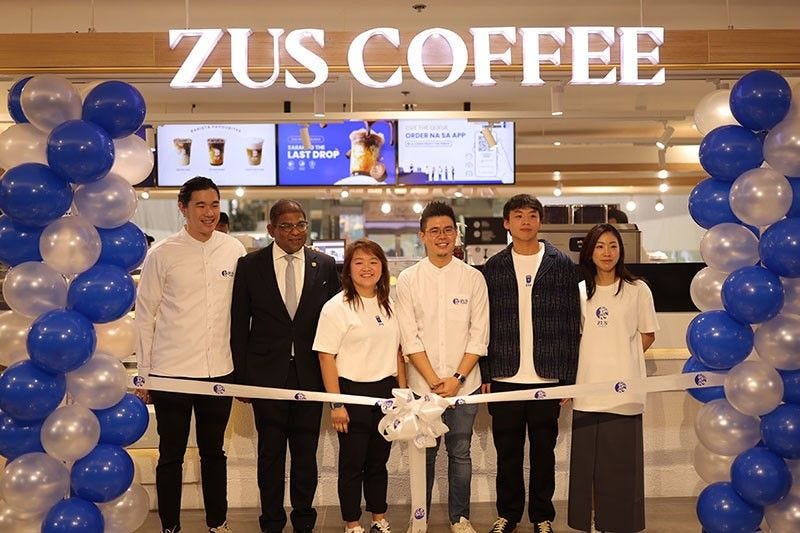
Zus Coffee entering the Phillipines market. Source: Philstar Global
2. Gigi Coffee Takes A Fun, Energetic Approach
For Marcus Low, Group CEO of Gigi Coffee, coffee is more than just a drink—it's an emotion and a lifestyle. This philosophy is ingrained into every aspect of Gigi Coffee’s brand. By tapping into youth culture through partnerships with TikTok influencers and athletes, Gigi Coffee has cultivated a fresh, energetic brand persona that resonates with millennials and Gen Z.
In 2023, Gigi Coffee launched its first diner and pumped its campaign up with influencer marketing to boost visibility. As a result, it achieved over 900k media reach through 20 KOLs’ engagement.
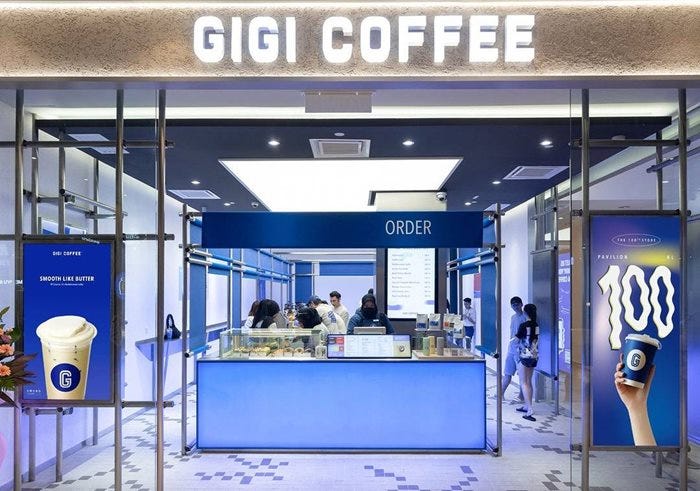
Gigi Coffee’s 100th store in Pavilion KL. Source: World Coffee Portal
They now have outlets in Malaysia and Korea.
3. Kenangan Coffee Wins As Southeast Asia’s First Unicorn Coffee Brand
The success story of Edward Tirtanata, co-founder and CEO of Kenangan Coffee, is one for the books. What began as a humble Indonesian coffee stall in 2017 has now turned into Southeast Asia’s first F&B unicorn, valued at over $1 billion.
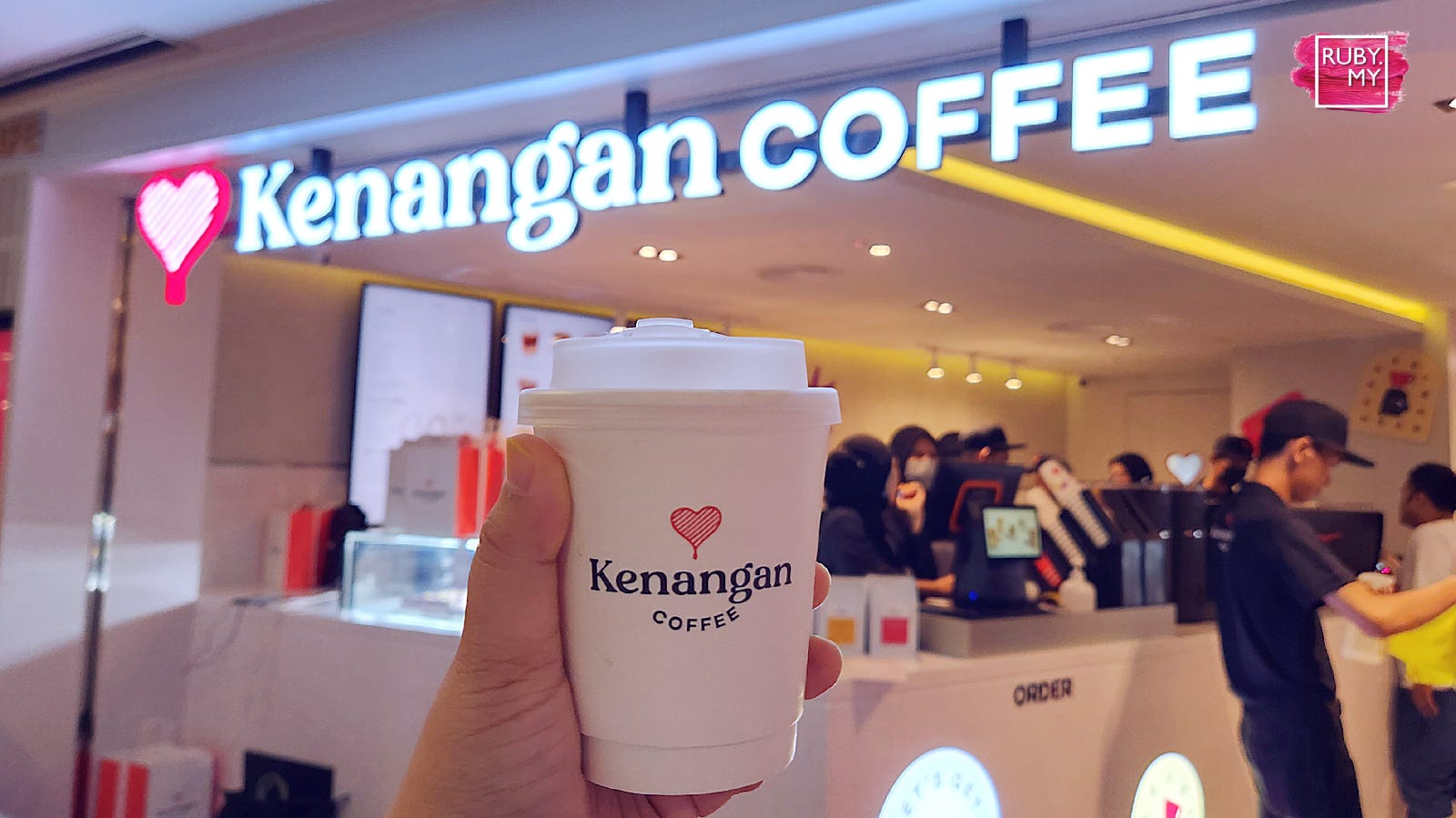
Kenangan Coffee’s first outlet in KLCC. Source: Ruby.my
With more than 800 locations across the region, Kenangan has raised over $230 million from global investors as of April 2023. Edward’s passion for coffee started in college, and today, his daily three cups of coffee aren’t just for enjoyment—they’re for “product testing.” Kenangan’s success lies in its ability to scale rapidly while maintaining a strong brand identity focused on quality and affordability.
Actionable Business Insights From Coffee Giants
These brands offer more than just caffeine—they present a business blueprint that entrepreneurs can learn from. The secret? A strategic mix of brand differentiation, tech integration, and consumer focus. Here’s what you can take away:
Find and Fill a Gap
ZUS Coffee filled a space in the market by offering great coffee at a middle price point. They knew there was a demand for an affordable, quality coffee option, and they capitalized on it. Entrepreneurs should take note—identifying gaps in the market can unlock enormous potential.
Connect on an Emotional Level
Marcus Low’s approach at Gigi Coffee shows that coffee, for many people, isn’t just a drink—it’s an experience. This emotional connection to a product can create lasting loyalty. As an entrepreneur, think beyond the basic utility of your offering—how does it make your customers feel?
Leverage Data to Stay Ahead
ZUS and Kenangan Coffee both use data-driven strategies to understand customer preferences and optimize their offerings. Entrepreneurs need to utilize technology to gather insights and adapt to changing customer needs. The ability to predict and personalize is key to staying relevant.
Scaling Without Compromise
Kenangan Coffee’s journey from a local stall to a billion-dollar brand is a testament to the power of scaling smartly. They maintained their brand’s authenticity and quality while expanding across the region. For business owners, this means ensuring growth plans align with the core values of your brand.
Final Thoughts
While Malaysia’s café culture is flourishing, it’s essential for entrepreneurs to recognize that the market is becoming more competitive. To avoid the pitfalls of a potential bubble, café owners must focus on offering more than just coffee—they must sell experiences, diversify their product lines, and engage with customers on a deeper level.
Ultimately, for aspiring café entrepreneurs, the path to success lies in strategic planning, staying attuned to consumer preferences, and being actively involved in the business. If executed well, there’s still plenty of room for growth in Malaysia’s café industry—provided you find your niche and serve it well.
Like this article? or have something interesting you want us to write about? Let us know!